

In today’s content marketing world and the era of social media growth, more and more creators want to start their own podcast. With the increasing number of podcast channels across different platforms, it’s easy to spot several common mistakes that significantly affect content quality. What should you watch out for?
The Most Common Technical Mistakes in Podcast Recording
If you want high-quality audio, you need to take care of many technical details. In non-professional podcasts, the most common issues include:
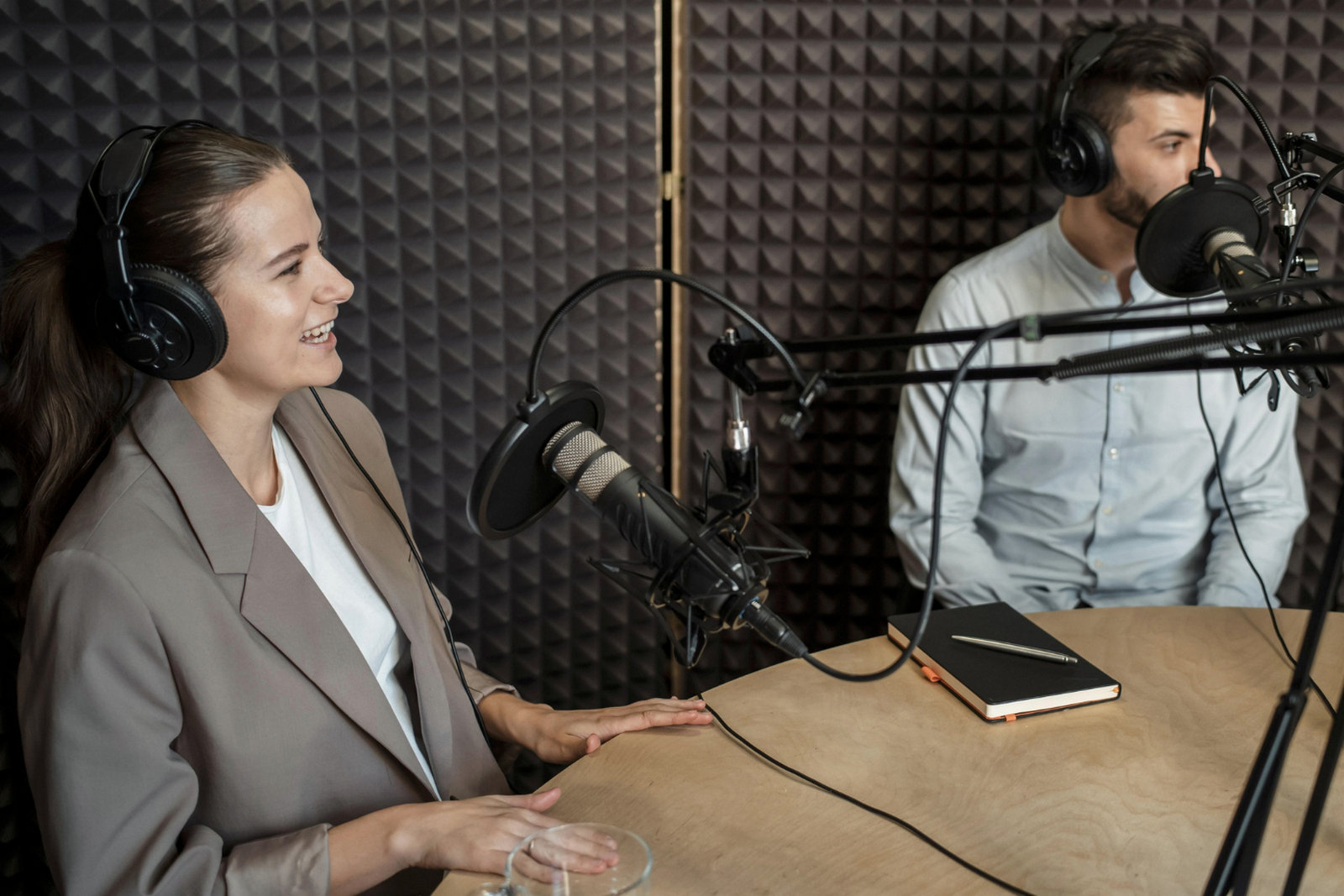
- No pop filters or foam windscreens – these accessories are placed on the microphone to eliminate unwanted bursts of air when pronouncing sounds like “p” or “b.” Not everyone invests in them, but it’s a mistake that clearly lowers recording quality.
- Microphone placed too far away – when the microphone is too far from the speaker, it not only captures the voice less clearly but also picks up more unwanted background sounds. On the other hand, placing your mouth too close to the microphone is also not recommended.
- Poor room acoustics – people who record podcasts at home often don’t have a properly treated space. Without acoustic panels, recordings may include background noise, echo, reverb, or other unwanted sound effects.
- Noise and uneven audio levels – unclear audio with noise is a major issue that drives listeners away. Uneven volume levels also negatively impact the listening experience. Audio should remain consistent throughout the episode. Unfortunately, it often happens that during interviews one person is loud and clear, while the other sounds much quieter.
Mistakes in Editing and Audio Post-Production
Mistakes also happen during post-production. Sometimes creators try to “fix” everything through editing and end up over-processing the sound. It’s best to avoid too many cuts, drowning out the speaker with background music, or unnecessary tone adjustments.
You need to find the right balance between cutting too much and cutting nothing at all. It’s important to know which moments should be removed so the episode feels smooth while still keeping its core value and meaning.
Other Common Podcaster Mistakes
One of the most common mistakes is lack of preparation. Creators who record without a script often lose track of the topic, pause to think about what to say, or repeat the same information multiple times. This is easy to notice, and listeners are becoming more demanding – they will quickly find better content from competitors.
Some creators also forget that a podcast should be tailored to the target audience. Each episode should be recorded with listeners in mind, so the content is not only valuable but also clear and relevant. Without a content plan and a listener persona, building a consistent format becomes much harder.
A major mistake when running a podcast is inconsistency. Irregular episode releases can discourage loyal listeners and make it difficult to build an engaged audience. Sometimes delays happen because there’s not enough time to record, and sometimes because editing takes too long. That’s why it’s worth producing episodes in advance and sticking to a release schedule.
How to Record a Podcast Without Making These Mistakes
Do you want to record at a high level and avoid technical problems? The best option is to work with a professional studio. This solution directly addresses the technical side: studios offer high-quality equipment and experienced specialists who oversee the entire process – proper microphone setup, audio monitoring, and clean sound recording.
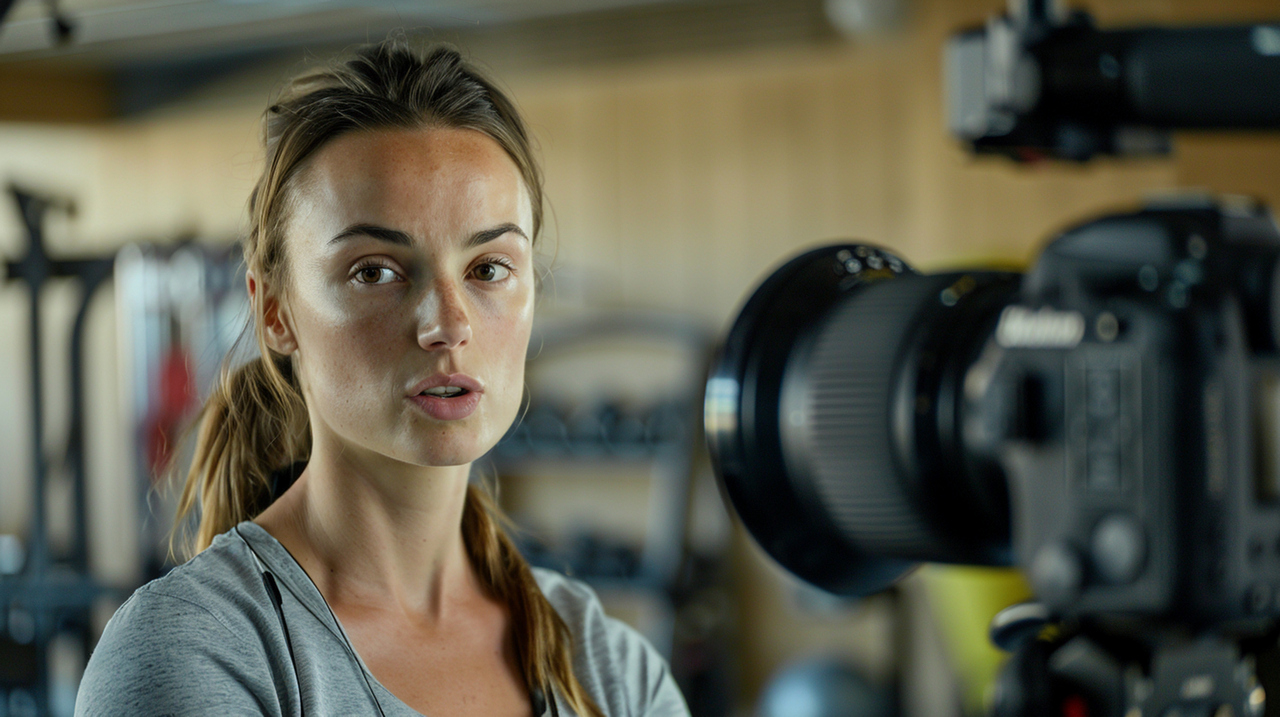
A professional studio space is always properly soundproofed and designed for excellent acoustics. This ensures top-level audio quality. Cameras available in studios make it possible not only to record sound, but also video. This allows you to create videocasts or short promotional clips for social media.
When renting a podcast studio, you can often choose full-service support, including professional post-production. Editing episodes with experts is not only a way to improve quality, but also a major time-saver compared to doing everything yourself. This kind of cooperation makes it easier to maintain a consistent publishing schedule.