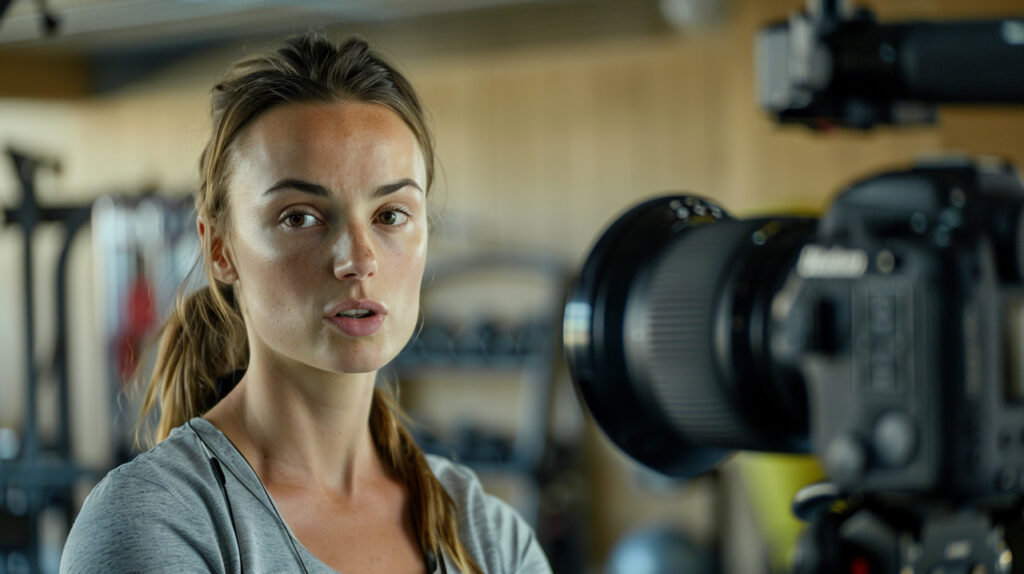
Self-tape is now a standard in the casting industry. More and more productions, agencies, and casting directors expect candidates to send a test recording instead of (or before) an in-person audition. The problem is that a simple “phone recording” often isn’t enough – especially when your competition sends much higher-quality material.
That’s why more and more actors, models, and creators choose to record their self-tape in a professional studio. If you’re looking for a place in the city center where you can do it quickly, without stress, and in excellent conditions, discover OMG PRIME STUDIO in Warsaw (Mokotowska 4/6).
In this article, we explain:
- what self-tape is and why quality matters,
- what a good self-tape studio should offer,
- how to prepare for the recording,
- and which mistakes to avoid.
What Is a Self-Tape and What Is It Used For?
A self-tape is a short casting video that a candidate submits as an application for a role or project. It can include:
- an introduction (slate),
- a short scene (dialogue or monologue),
- improvisation,
- a special task (e.g., a commercial read, product presentation, expert statement).
Self-tape helps decision-makers evaluate:
- natural on-camera presence,
- diction and voice quality,
- emotions, pacing, facial expressions,
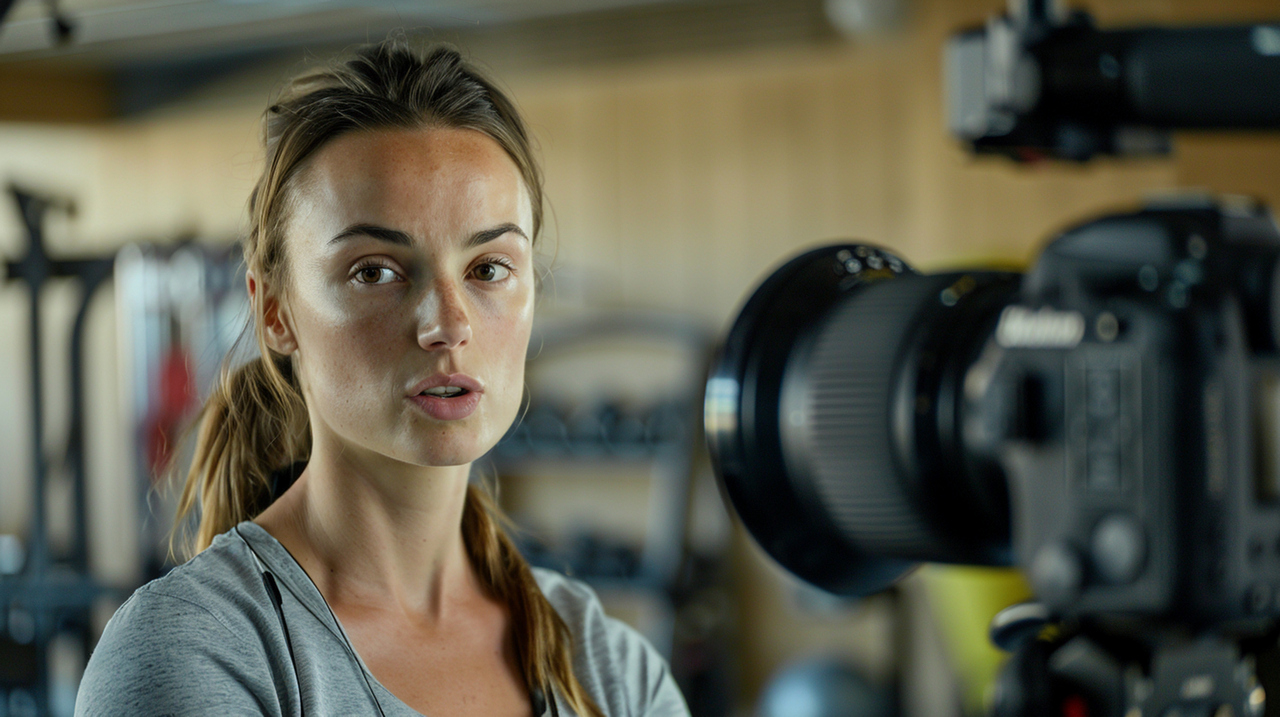
- “camera readiness” (how someone looks in frame),
- fit for the role / project.
Most importantly: casting is a comparison. If your recording has poor lighting, echo, and random framing, you appear weaker – even if you’re an excellent candidate.
Why Record a Self-Tape in a Studio Instead of at Home?
You can record a self-tape at home – but a studio offers three advantages that truly impact the selection process.
1) Consistent Lighting and a Neutral Background
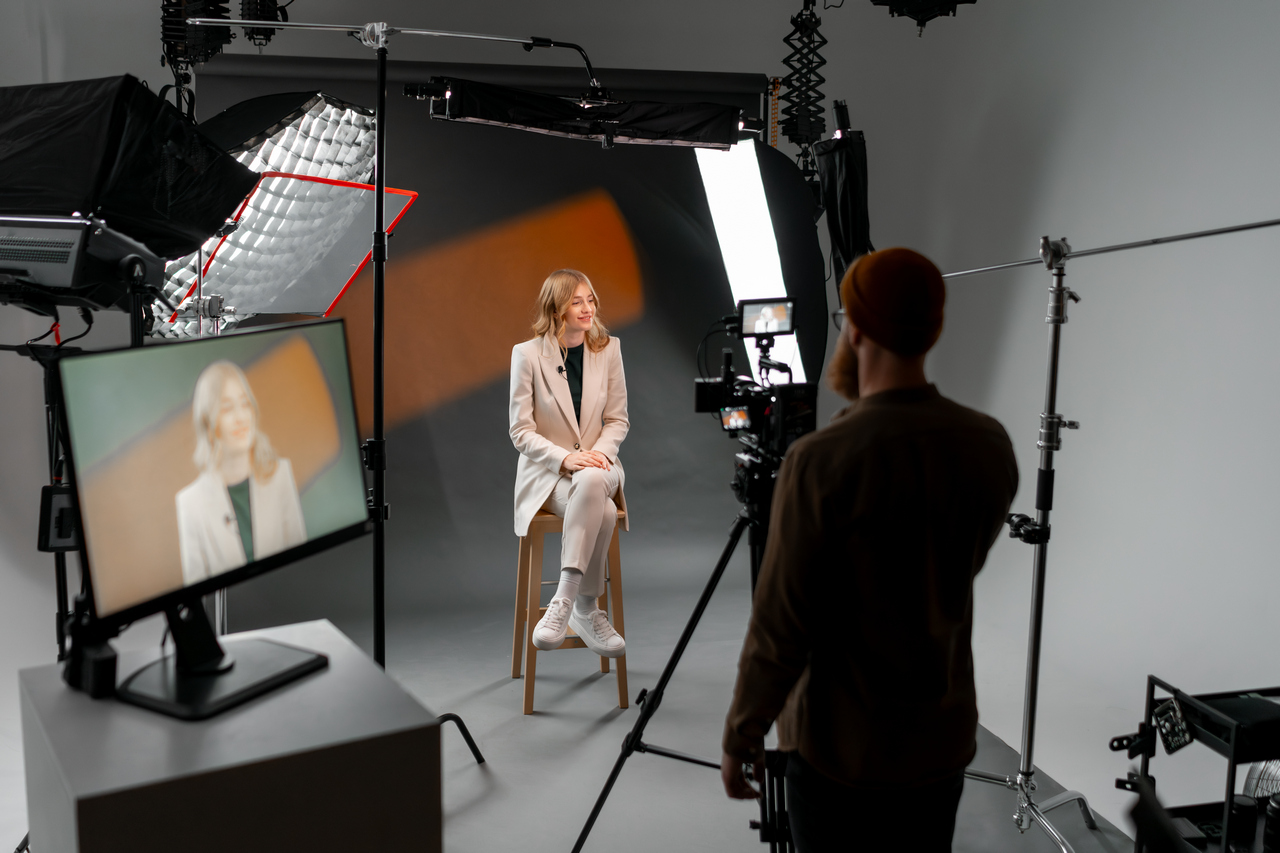
In self-tape, clean visuals matter. A studio provides:
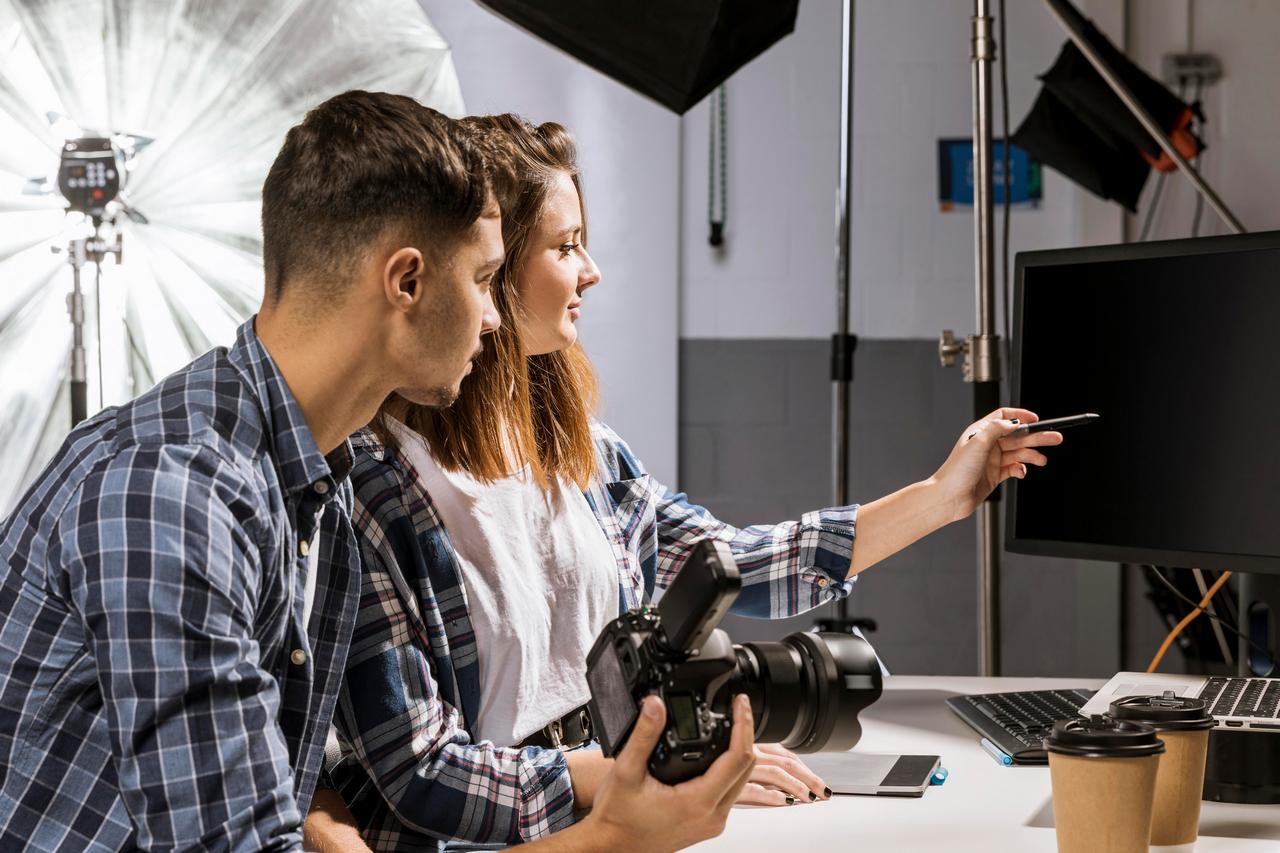
- controlled lighting (no harsh shadows),
- a neutral background,
- proper color balance.
This helps casting directors focus on you, not on what’s happening behind you.
2) Professional Audio Without Echo
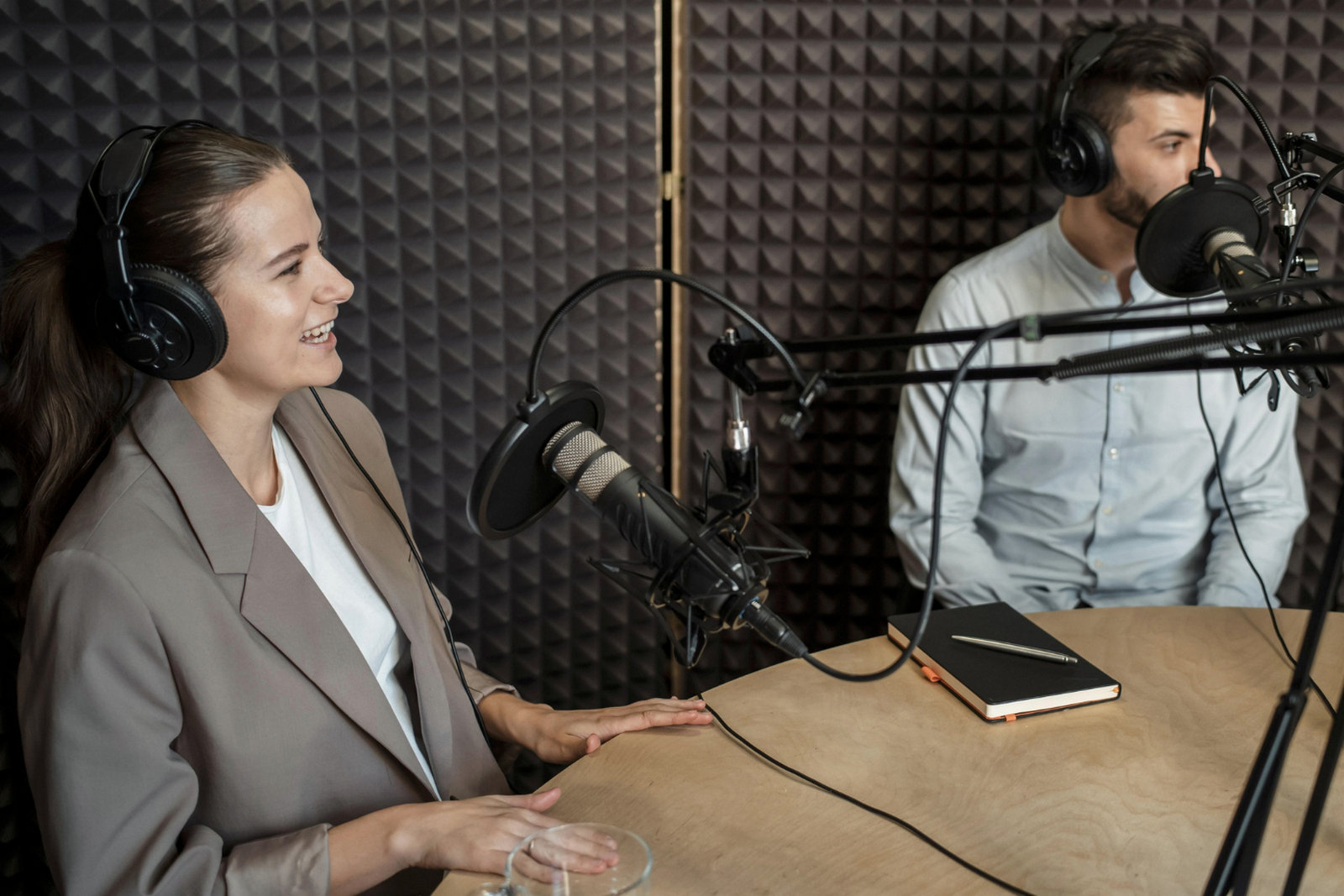
A very common issue in home recordings is reverb. The sound becomes “bathroom-like,” and even with a great performance, the tape is tiring to watch. A studio helps eliminate this problem.
3) Reliable Framing and Video Quality
In a studio, it’s easier to set:
- the correct camera height,
- the right distance,
- proper framing proportions.
As a result, your self-tape looks like a professional casting submission – not a random video.
Self-Tape at OMG PRIME STUDIO – Warsaw, Mokotowska 4/6
If quality and comfort matter to you, OMG PRIME STUDIO in Warsaw is a place where you can record self-tape in studio conditions.
What does the city-center location (Mokotowska 4/6) offer?
- easy access,
- the ability to “walk in and out” quickly (when casting is urgent),
- convenience also for people coming from outside Warsaw.
You can treat a self-tape session as:
- a one-time submission,
- a repeatable “standard format” for multiple castings,
- part of a bigger process (e.g., studio casting sessions, camera rehearsals).
Contact details: www.omgprimestudio.pl
What Does a Professional Studio Self-Tape Look Like?
Depending on casting requirements, a self-tape may include:
✅ 1) Slate (Introduction)
Typical slate format includes:
- name and surname,
- age,
- height (sometimes),
- optionally: location / languages,
- front view + profile (or half-profile).
✅ 2) Monologue or Scene
Most often:
- 30-90 seconds,
- an emotional reaction or dialogue,
- text provided by the casting (sides).
✅ 3) Multiple Takes / Variations
Sometimes casting requires several versions:
- neutral,
- more emotional,
- more dynamic,
- with a “pause” for reaction.
In a studio, it’s easy to do retakes in identical conditions.
What to Prepare Before Recording Self-Tape (Checklist)
To keep your session quick and stress-free, prepare:
✅ your casting text/scene (printed or on a tablet)
✅ 2-3 interpretation options (minimum)
✅ simple clothing (no small patterns or loud prints)
✅ neutral makeup (if relevant)
✅ water to keep your voice stable
✅ casting details: format, length, required framing
✅ props (if your scene requires them)
Pro tip: avoid thin stripes and small checks – they can cause a “flicker” / moiré effect on camera.
What Mistakes Should You Avoid in Self-Tape?
These are the most common mistakes that lower the quality of a submission:
- lighting that’s too dark or too harsh (shadows on the face),
- a distracting “home background,”
- echo and background noise,
- camera placed too low or too high (bad angle),
- framing that’s too wide (too much background) or too tight (no space for movement),
- makeup that’s too heavy for studio light,
- clothing that reflects light or blends into the background,
- no clear slate introduction.
A studio eliminates most of these issues automatically – because it gives you control over the conditions.
Self-Tape vs Studio Casting – When to Choose Which?
Self-tape is ideal when:
- casting is remote,
- you need to submit a recording by a deadline,
- you want a quick, professional submission.
Studio casting is better when:
- the project is larger,
- there are more decision-makers involved,
- you need to audition many people under consistent conditions,
- you need comparable test footage.
Good news: at OMG PRIME STUDIO, you can do both.
How Much Does a Self-Tape Recording Cost in Warsaw?
The price depends on:
- studio rental time,
- the level of service (space only vs technical support),
- the number of scenes / takes.
It’s best to treat it as a simple project: short time, clear goal, fast result.
Details: www.omgprimestudio.pl
Self-Tape in Warsaw – Summary
A professional self-tape can significantly increase your chances in casting because it removes technical issues and lets you focus on what matters most: your performance and on-camera presence.
If you want to record a self-tape in studio conditions in central Warsaw, book your session at OMG PRIME STUDIO at Mokotowska 4/6.
Contact and details: www.omgprimestudio.pl